
This is some text inside of a div block.

Selecting Bathroom Tub Design
Selecting bathtub design is essential when planning a bathroom remodel that maximizes comfort, style, and functionality. A successful bathroom remodeling project begins with thoughtful choices that enhance both daily use and overall aesthetics.


Tub Shapes and Layouts
Tub shapes and layouts are key considerations in bathroom remodeling for a bathroom remodel. Alcove, freestanding, corner, and drop-in tubs each offer unique benefits depending on space, style, and accessibility. Designers evaluate bathroom dimensions, plumbing, and traffic flow to recommend layouts that balance comfort and practicality. Homeowners benefit from options that fit their routines and aesthetic goals. During bathroom remodeling, careful planning ensures tubs integrate seamlessly with vanities, flooring, and shower areas. Thoughtful selection of shape and placement enhances both functionality and visual appeal, creating a bathroom remodel that is efficient and inviting.


This is some text inside of a div block.

This is some text inside of a div block.

This is some text inside of a div block.

This is some text inside of a div block.

This is some text inside of a div block.

This is some text inside of a div block.

This is some text inside of a div block.




Material Choices
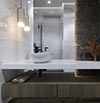
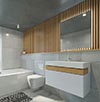
Material selection is critical in bathroom remodeling for a bathroom remodel, influencing durability, maintenance, and style. Acrylic, fiberglass, cast iron, and stone each provide different benefits, from lightweight ease to long-term resilience. Designers consider material compatibility with finishes, colors, and other fixtures to maintain cohesion. Homeowners benefit from surfaces that are easy to clean, resistant to wear, and visually pleasing. During bathroom remodeling, selecting the right material ensures the tub performs well for years while supporting the overall design. Thoughtful material choice balances aesthetics, functionality, and longevity, contributing to a bathroom remodel that is both practical and luxurious.
Freestanding vs. Built-In

Freestanding and built-in tubs offer different advantages in bathroom remodeling for a bathroom remodel. Freestanding tubs serve as design focal points and offer flexibility in placement, while built-in tubs maximize space and often include integrated storage or seating. Designers assess room size, layout, and plumbing requirements to determine the best option. Homeowners benefit from a solution that balances aesthetics, comfort, and practicality. During bathroom remodeling, choosing between freestanding and built-in designs affects the visual impact and usability of the space. Thoughtful selection ensures the tub complements the overall bathroom remodel while supporting daily routines.
Tub Size Considerations
Tub size is a critical factor in bathroom remodeling for a bathroom remodel, influencing comfort, space utilization, and functionality. Designers measure available area, consider user preferences, and evaluate circulation to select appropriately sized tubs. Homeowners benefit from a bath that provides adequate relaxation without overcrowding the room or limiting accessibility. During bathroom remodeling, sizing decisions impact layout, fixture placement, and aesthetic balance. Properly scaled tubs contribute to a harmonious, functional bathroom remodel. Thoughtful consideration of dimensions ensures the tub enhances both daily use and overall design, creating a space that is comfortable, visually appealing, and proportionate within the remodeled bathroom.
Shower-Tub Combos

Shower-tub combinations are popular in bathroom remodeling for a bathroom remodel, providing versatility in smaller spaces. These units combine bathing and showering functions, maximizing usability without compromising style. Designers coordinate faucets, showerheads, and enclosure options to maintain cohesion with surrounding surfaces. Homeowners benefit from flexibility, convenience, and space efficiency. During bathroom remodeling, integrating a shower-tub combo can improve functionality while supporting aesthetic goals. Thoughtful selection and design ensure the combination meets daily needs while complementing the overall bathroom remodel. Proper planning balances practicality and style, resulting in a comfortable, functional, and visually appealing bathing solution.
Luxury Features

Luxury features are increasingly incorporated in bathroom remodeling for a bathroom remodel, elevating comfort and style. Whirlpool jets, air baths, and built-in seating add spa-like appeal to tubs. Designers integrate these features with plumbing, layout, and surrounding finishes to maintain a cohesive look. Homeowners enjoy enhanced relaxation, wellness benefits, and aesthetic sophistication. During bathroom remodeling, including luxury elements can transform an ordinary tub into a centerpiece of the space. Thoughtful integration supports both function and indulgence, creating a bathroom remodel that feels high-end and personalized. These upgrades combine technology, comfort, and style seamlessly in daily use.
Safety and Accessibility
Safety and accessibility are important in bathroom remodeling for a bathroom remodel, ensuring tubs accommodate users of all abilities. Grab bars, non-slip surfaces, walk-in designs, and seating enhance safety while maintaining aesthetic appeal. Designers incorporate these elements without compromising style or spatial efficiency. Homeowners benefit from peace of mind and improved usability. During bathroom remodeling, prioritizing safety ensures the tub remains practical for long-term use. Thoughtful design balances accessibility with elegance, creating a bathroom remodel that is both safe and stylish. Integrating these considerations supports comfort, functionality, and confidence during daily routines.
Color and Finish
Color and finish play a key role in bathroom remodeling for a bathroom remodel, influencing mood and visual cohesion. White remains classic, while neutral shades or bold tones create distinct styles. Designers coordinate tub finishes with tile, vanities, and fixtures to maintain a harmonious palette. Homeowners benefit from choices that complement existing elements while expressing personal style. During bathroom remodeling, careful selection of color and finish ensures the tub integrates with overall design, enhancing the space’s aesthetic appeal. Thoughtful decisions create a bathroom remodel that is visually balanced, inviting, and reflective of the homeowner’s taste.
Maintenance and Longevity
Maintenance and longevity are critical considerations in bathroom remodeling for a bathroom remodel. Selecting durable materials and finishes ensures the tub remains functional and attractive over time. Designers advise on surface care, sealing, and cleaning practices to minimize wear and preserve appearance. Homeowners benefit from a bath that withstands daily use with minimal upkeep. During bathroom remodeling, planning for longevity supports a practical, enduring, and visually appealing space. Thoughtful attention to maintenance and durability enhances both usability and satisfaction, resulting in a bathroom remodel where the tub remains a central, functional, and stylish feature for years to come.
Budget and Planning
Budget and planning are essential in bathroom remodeling for a bathroom remodel, influencing material, design, and installation choices. Homeowners should balance cost with durability, style, and features to maximize value. Designers help prioritize key elements and suggest cost-effective alternatives without sacrificing aesthetics or function. During bathroom remodeling, thoughtful budget planning ensures the tub and surrounding features meet daily needs while supporting overall design goals. Proper allocation of resources results in a bathroom remodel that is both beautiful and practical. Careful planning allows homeowners to achieve a stylish, functional, and long-lasting bathtub solution within their remodeling plan.
Frequently Asked Questions
How long does a typical bathroom remodel take?
Most bathroom remodels take between 3 and 6 weeks, depending on the scope of work, contractor scheduling, and material availability. Smaller updates like new fixtures or tile can be finished more quickly, while full remodels that involve plumbing changes or layout adjustments may take longer. Proper planning and working with experienced bathroom remodeling professionals helps keep your project on schedule.
Can I remodel my bathroom without changing the layout?
Absolutely. Many homeowners choose a cosmetic bathroom remodel, updating elements like the vanity, fixtures, tile, flooring, lighting, and paint while keeping the existing layout. This approach is usually faster and more budget-friendly, while still giving the bathroom a fresh, modern look.
How can I plan my bathroom remodel budget effectively?
Start by researching the average costs for bathroom remodels in your area and the materials you’d like to use, then prioritize the upgrades that matter most to you. Working with experienced bathroom remodeling professionals early in the process helps you get accurate estimates, explore design options, and make choices that balance style, functionality, and budget.
What are the most important upgrades to focus on in a bathroom remodel?
The most impactful bathroom upgrades usually include the vanity, shower or bathtub, tile, and lighting. These elements shape both the look and functionality of your bathroom. Prioritizing quality in these areas helps create a beautiful, durable space that fits your daily routine and adds value to your home.

Read More
Top Bathroom Remodeling Trends
Explore the top bathroom remodeling trends for 2026—from spa-inspired designs and smart technology to bold finishes and sustainable materials—showing how modern bathrooms are becoming more stylish, functional, and eco-friendly.
Selecting a Bathroom Vanity
Choosing the right vanity is one of the most important decisions in a bathroom remodel. The style, size, and materials you select influence both the room’s appearance and daily functionality.
Top Bathroom Color Trends
Bathroom colors are playing a bigger role in bathroom remodel projects than ever before. In 2026, homeowners are choosing palettes that balance serenity, depth, and design impact while tying the entire space together.
Selecting Bathroom Tile
Choosing the right bathroom tile is both functional and stylish. It protects walls and floors while enhancing the overall look, mood, and cohesion of your bathroom remodel. Start with both purpose and design in mind.


