
This is some text inside of a div block.

How to Select Bathroom Tile
Choosing the right bathroom tile is both functional and stylish. It protects walls and floors while enhancing the overall look, mood, and cohesion of your bathroom remodel. Start with both purpose and design in mind.


Consider Material Options
Material choice is a crucial step in bathroom remodeling when selecting tile for a bathroom remodel. Porcelain, ceramic, glass, and natural stone each offer unique durability, texture, and maintenance requirements. Porcelain is highly water-resistant and ideal for high-traffic areas, while ceramic provides versatility and affordability. Natural stone brings luxury but requires sealing and care. Glass tiles can add reflective surfaces and color accents. Understanding material properties helps homeowners make informed decisions for both practical use and style. Designers coordinate materials with fixtures, vanities, and flooring to maintain cohesive aesthetics and long-lasting performance during bathroom remodeling projects.


This is some text inside of a div block.

This is some text inside of a div block.

This is some text inside of a div block.

This is some text inside of a div block.

This is some text inside of a div block.

This is some text inside of a div block.

This is some text inside of a div block.




Tile Size and Scale
Tile size and scale significantly influence the look and feel of a bathroom remodel during bathroom remodeling. Large-format tiles can create a sense of spaciousness, reducing grout lines and simplifying cleaning. Smaller tiles, including mosaics, provide texture, visual interest, and flexibility for detailed designs. Homeowners should consider the room’s dimensions and ceiling height when choosing size to ensure balance. Designers often combine different sizes to create focal points, accent walls, or shower floors while maintaining cohesion with the overall style. Properly scaled tiles enhance both visual appeal and functionality, making bathroom remodeling layouts feel thoughtfully proportioned and aesthetically polished.
Color Selection

Color is one of the most impactful decisions in bathroom remodeling for a bathroom remodel. Lighter shades can make small spaces feel airy, while darker tones add drama and sophistication. Neutral palettes provide timeless appeal, whereas bold colors create statement areas and personality. Coordinating tile color with vanities, fixtures, and wall paint ensures a cohesive design. Homeowners should also consider how natural and artificial lighting will affect appearance throughout the day. Designers often balance complementary hues to maintain harmony while introducing visual interest. Thoughtful color selection enhances mood, style, and spatial perception, making it a key factor in successful bathroom remodeling projects.
Pattern and Layout
Pattern and layout are essential for creating visual interest in a bathroom remodel during bathroom remodeling. Herringbone, chevron, basketweave, and grid patterns can transform walls and floors, adding depth and texture. The arrangement of tiles impacts the perception of space, making rooms feel larger or more dynamic. Designers often use accent bands or contrasting grout to highlight features without overwhelming the overall design. Homeowners should consider scale, symmetry, and continuity with other elements such as vanities and fixtures. Strategic tile layouts balance practicality and style, providing a cohesive, elegant result that elevates the entire bathroom remodeling project.
Textured Surfaces
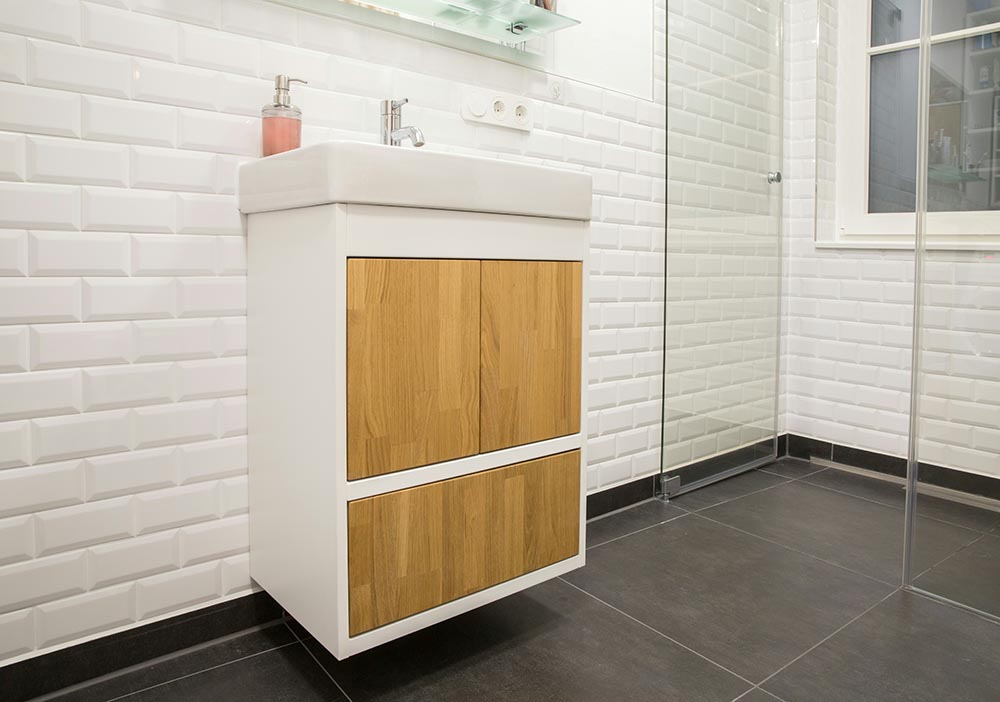
Textured tiles are becoming increasingly popular in bathroom remodeling for a bathroom remodel, adding tactile interest and visual depth. Surfaces like stone, 3D ceramics, or ridged porcelain create subtle contrast while enhancing grip, making them suitable for shower floors or wet areas. Designers combine textures with smooth tiles to avoid overcrowding the visual space. Homeowners benefit from both safety and aesthetics, as textured tiles prevent slips while creating a layered, engaging design. When integrated thoughtfully, textured tiles complement color, pattern, and layout, enhancing functionality and style. They are a versatile tool in bathroom remodeling that adds personality and practicality to the space.
Grout Color and Finish

Grout color and finish play a key role in bathroom remodeling for a bathroom remodel, affecting both style and maintenance. Contrasting grout emphasizes patterns and shapes, creating bold visual statements. Matching grout produces a seamless, minimalist look that highlights the tile itself. Sealed grout prevents staining and simplifies cleaning, which is essential in wet environments. Designers consider grout width and tone to complement the overall aesthetic, ensuring cohesion with vanities, fixtures, and other finishes. Homeowners gain both practical and aesthetic benefits from well-chosen grout. Thoughtful selection enhances the appearance, durability, and ease of maintenance in any bathroom remodeling project.
Durability and Maintenance
Durability and maintenance are critical when selecting tiles for a bathroom remodel during bathroom remodeling. High-traffic areas and wet zones require water-resistant, scratch-resistant materials that can withstand daily use. Porcelain and ceramic tiles are often favored for their strength and low maintenance. Natural stone adds luxury but may require sealing and extra care. Homeowners should evaluate cleaning routines and long-term wear to ensure tiles maintain both appearance and functionality. Designers integrate durable materials strategically, balancing style and performance. Choosing resilient, easy-to-maintain tiles ensures a practical, attractive outcome that supports the goals of any successful bathroom remodeling project.
Accent Tiles and Borders
Accent tiles and borders add dimension and style in bathroom remodeling for a bathroom remodel. Used on walls, backsplashes, or shower niches, they create focal points without overwhelming the space. Designers coordinate accent tiles with main surfaces, fixtures, and color schemes for balanced, cohesive results. Homeowners benefit from the ability to personalize and highlight features while maintaining functional, easy-to-clean surfaces. Borders, mosaics, and decorative inserts can delineate zones or emphasize design elements, supporting both aesthetic and practical needs. Thoughtful incorporation of accents enhances visual interest and reflects personal style, making it a valuable technique in contemporary bathroom remodeling projects.
Eco-Friendly Options
Eco-friendly tile choices are shaping bathroom remodeling for 2026 during a bathroom remodel. Recycled glass, sustainably sourced stone, and low-impact ceramics reduce environmental footprint while maintaining durability and style. Water-resistant and long-lasting materials support sustainable living by minimizing waste and energy use. Designers integrate eco-friendly options without sacrificing aesthetics, pairing them with efficient fixtures, vanities, and lighting. Homeowners benefit from environmentally responsible materials that are safe, attractive, and durable. Incorporating sustainable tile choices aligns with modern bathroom remodeling priorities, providing functional, stylish, and conscientious solutions that support both environmental goals and long-term design satisfaction.
Mixing Materials
Mixing tile materials is a growing trend in bathroom remodeling for a bathroom remodel, allowing homeowners to combine textures, colors, and finishes for dynamic visual appeal. Designers often pair stone with ceramic, glass with porcelain, or textured tiles with smooth surfaces to create layered, interesting spaces. Careful balance ensures cohesion while highlighting key features such as vanities, tubs, or shower areas. Homeowners gain opportunities for personalization and creative expression while maintaining practical durability. Thoughtful integration of mixed materials enhances depth, contrast, and elegance. In bathroom remodeling, combining complementary tiles produces visually engaging, functional spaces that feel unique, modern, and carefully curated.
Frequently Asked Questions
How long does a typical bathroom remodel take?
Most bathroom remodels take between 3 and 6 weeks, depending on the scope of work, contractor scheduling, and material availability. Smaller updates like new fixtures or tile can be finished more quickly, while full remodels that involve plumbing changes or layout adjustments may take longer. Proper planning and working with experienced bathroom remodeling professionals helps keep your project on schedule.
Can I remodel my bathroom without changing the layout?
Absolutely. Many homeowners choose a cosmetic bathroom remodel, updating elements like the vanity, fixtures, tile, flooring, lighting, and paint while keeping the existing layout. This approach is usually faster and more budget-friendly, while still giving the bathroom a fresh, modern look.
How can I plan my bathroom remodel budget effectively?
Start by researching the average costs for bathroom remodels in your area and the materials you’d like to use, then prioritize the upgrades that matter most to you. Working with experienced bathroom remodeling professionals early in the process helps you get accurate estimates, explore design options, and make choices that balance style, functionality, and budget.
What are the most important upgrades to focus on in a bathroom remodel?
The most impactful bathroom upgrades usually include the vanity, shower or bathtub, tile, and lighting. These elements shape both the look and functionality of your bathroom. Prioritizing quality in these areas helps create a beautiful, durable space that fits your daily routine and adds value to your home.

Read More
Top Bathroom Remodeling Trends
Explore the top bathroom remodeling trends for 2026—from spa-inspired designs and smart technology to bold finishes and sustainable materials—showing how modern bathrooms are becoming more stylish, functional, and eco-friendly.
Selecting a Bathroom Vanity
Choosing the right vanity is one of the most important decisions in a bathroom remodel. The style, size, and materials you select influence both the room’s appearance and daily functionality.
Top Bathroom Color Trends
Bathroom colors are playing a bigger role in bathroom remodel projects than ever before. In 2026, homeowners are choosing palettes that balance serenity, depth, and design impact while tying the entire space together.
Selecting Bathroom Tile
Choosing the right bathroom tile is both functional and stylish. It protects walls and floors while enhancing the overall look, mood, and cohesion of your bathroom remodel. Start with both purpose and design in mind.


