
This is some text inside of a div block.

How to Select a Bathroom Vanity
Choosing the right vanity is one of the most important decisions in a bathroom remodel. The style, size, and materials you select influence both the room’s appearance and daily functionality.


Size and Scale
Determining the appropriate size and scale is crucial when selecting a vanity for a bathroom remodel during bathroom remodeling. Measure available space carefully, considering door swings, fixtures, and traffic flow. Oversized vanities can overwhelm smaller rooms, while too-small options may limit storage and usability. Designers recommend balancing vanity width, depth, and height with the overall layout to maintain proportion. Properly sized vanities improve accessibility, support daily routines, and enhance aesthetic appeal. Homeowners should also consider future needs, ensuring that the selected vanity provides both immediate functionality and long-term practicality for a successful bathroom remodeling project.


This is some text inside of a div block.

This is some text inside of a div block.

This is some text inside of a div block.

This is some text inside of a div block.

This is some text inside of a div block.

This is some text inside of a div block.

This is some text inside of a div block.




Material Selection
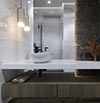
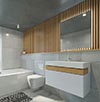
Material choice plays a central role in bathroom remodeling when selecting a vanity for a bathroom remodel. Wood, engineered stone, laminate, and metal each offer distinct benefits in durability, maintenance, and visual impact. Solid wood provides timeless style and strength but may require moisture protection, while engineered stone countertops offer durability with minimal upkeep. Laminate options can be budget-friendly while offering versatile designs. Homeowners should select materials that balance aesthetics, longevity, and practicality. Designers coordinate materials with flooring, fixtures, and wall finishes to maintain a cohesive look. Thoughtful material selection ensures a vanity that enhances both beauty and function during bathroom remodeling.
Style and Design

Style and design choices define the overall character of a bathroom remodel during bathroom remodeling. Modern vanities feature clean lines and minimal hardware, while traditional options include detailed carvings and ornate handles. Transitional styles combine contemporary and classic elements, providing flexibility for various decors. Homeowners should consider existing color schemes, fixtures, and overall aesthetic to ensure the vanity complements the space. Designers often use visual balance, symmetry, and proportion to create cohesive, polished layouts. Selecting a vanity with the right style enhances both functionality and visual appeal, contributing to a bathroom remodeling outcome that feels intentional, harmonious, and personally expressive.
Storage Options
Storage capacity is a key consideration in bathroom remodeling for a bathroom remodel, affecting daily usability. Vanities may include drawers, cabinets, open shelving, or integrated organizers to accommodate toiletries, towels, and cleaning supplies. Designers recommend layouts that maximize storage while maintaining clean, uncluttered surfaces. Deep drawers and adjustable shelving offer flexibility for various items, while smaller compartments support organization. Homeowners should assess storage needs for daily routines and future use to ensure convenience. Proper storage solutions enhance both function and appearance, making bathroom remodeling more efficient. Well-planned vanities help maintain a tidy space while supporting an organized, practical, and visually appealing bathroom.
Countertop Selection

Countertop materials and design influence both style and functionality in a bathroom remodel during bathroom remodeling. Choices include marble, quartz, granite, concrete, and laminate, each offering distinct visual and practical characteristics. Durable, water-resistant surfaces support daily use, while coordinating colors and patterns enhance overall design cohesion. Homeowners should consider countertop depth, overhang, and edge profiles to optimize workspace and comfort. Designers pair countertops with vanities, sinks, and fixtures to ensure seamless integration. Thoughtful countertop selection balances durability, maintenance, and aesthetics, providing a focal point that complements the vanity while enhancing the usability and visual appeal of the bathroom remodel.
Sink Styles
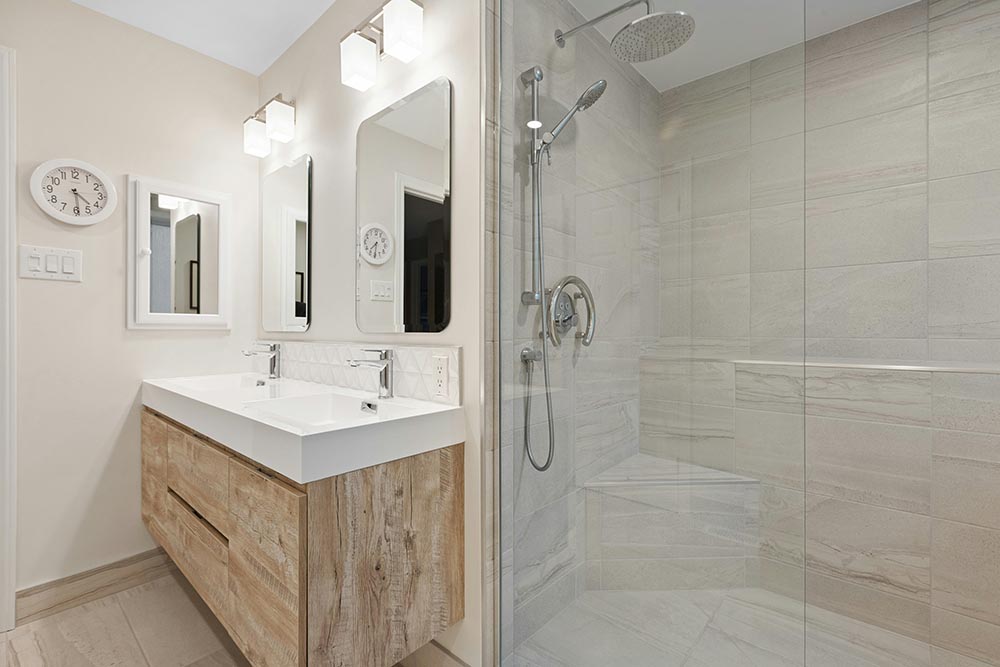
Sink selection is an essential aspect of bathroom remodeling when planning a bathroom remodel. Options include undermount, vessel, integrated, and pedestal styles, each affecting countertop space, visual impact, and cleaning ease. Undermount sinks provide a sleek, seamless look, while vessel sinks add sculptural appeal. Designers coordinate sink size, shape, and placement with vanity dimensions, faucets, and surrounding hardware to ensure balanced layouts. Homeowners should consider daily routines and accessibility needs when selecting a sink. Properly chosen sinks enhance both function and aesthetics, making them a critical element in achieving a cohesive and visually appealing outcome during a bathroom remodeling project.
Hardware and Fixtures
Hardware and fixtures are defining elements in bathroom remodeling for a bathroom remodel, contributing to both style and usability. Drawer pulls, cabinet handles, and knobs complement the vanity while supporting practical function. Faucet selection impacts ergonomics, water flow, and visual balance. Designers often coordinate hardware finishes with mirrors, lighting, and other bathroom features to create a unified, polished appearance. Homeowners should consider durability, ease of cleaning, and aesthetic cohesion when choosing fixtures. Thoughtful hardware selection elevates the overall design, ensuring that a vanity not only looks attractive but functions efficiently. In bathroom remodeling, hardware enhances both usability and visual harmony.
Lighting Integration
Lighting is an important consideration in bathroom remodeling for a bathroom remodel, enhancing both functionality and ambiance around the vanity. Task lighting, such as sconces or LED strips, improves visibility for grooming, while ambient lighting creates a welcoming atmosphere. Designers often pair lighting with mirrors, countertops, and hardware to ensure even illumination without shadows. Homeowners should consider fixture placement, brightness, and style to complement the vanity and overall design. Proper lighting selection supports both daily routines and visual appeal, making it an essential part of a successful bathroom remodeling project. Well-integrated lighting enhances usability, safety, and aesthetic cohesion in the space.
Color and Finish
Color and finish choices shape the visual impact of a vanity in bathroom remodeling during a bathroom remodel. Neutral tones provide timeless appeal, while bold colors can create focal points and add personality. Finishes like matte, glossy, or textured surfaces affect both aesthetics and maintenance requirements. Designers coordinate vanity colors with countertops, flooring, walls, and fixtures to maintain harmony throughout the space. Homeowners should consider lighting and spatial perception when selecting tones to ensure the desired effect. Thoughtful color and finish choices enhance cohesion, style, and functionality, making them critical factors in achieving a successful and visually appealing bathroom remodeling outcome.
Eco-Friendly Options
Eco-friendly vanities are increasingly popular in bathroom remodeling for a bathroom remodel, combining sustainability, durability, and style. Materials such as reclaimed wood, bamboo, or low-VOC finishes reduce environmental impact while maintaining high performance and visual appeal. Designers incorporate water-efficient faucets and sustainable hardware to complement the vanity and enhance eco-conscious functionality. Homeowners benefit from reduced environmental footprint, cost-effective durability, and modern aesthetics. Selecting sustainable vanities supports long-term usability while aligning with responsible living practices. In bathroom remodeling, eco-friendly options allow homeowners to create functional, stylish, and environmentally conscious spaces that combine thoughtful design with contemporary sustainability priorities.
Frequently Asked Questions
How long does a typical bathroom remodel take?
Most bathroom remodels take between 3 and 6 weeks, depending on the scope of work, contractor scheduling, and material availability. Smaller updates like new fixtures or tile can be finished more quickly, while full remodels that involve plumbing changes or layout adjustments may take longer. Proper planning and working with experienced bathroom remodeling professionals helps keep your project on schedule.
Can I remodel my bathroom without changing the layout?
Absolutely. Many homeowners choose a cosmetic bathroom remodel, updating elements like the vanity, fixtures, tile, flooring, lighting, and paint while keeping the existing layout. This approach is usually faster and more budget-friendly, while still giving the bathroom a fresh, modern look.
How can I plan my bathroom remodel budget effectively?
Start by researching the average costs for bathroom remodels in your area and the materials you’d like to use, then prioritize the upgrades that matter most to you. Working with experienced bathroom remodeling professionals early in the process helps you get accurate estimates, explore design options, and make choices that balance style, functionality, and budget.
What are the most important upgrades to focus on in a bathroom remodel?
The most impactful bathroom upgrades usually include the vanity, shower or bathtub, tile, and lighting. These elements shape both the look and functionality of your bathroom. Prioritizing quality in these areas helps create a beautiful, durable space that fits your daily routine and adds value to your home.

Read More
Top Bathroom Remodeling Trends
Explore the top bathroom remodeling trends for 2026—from spa-inspired designs and smart technology to bold finishes and sustainable materials—showing how modern bathrooms are becoming more stylish, functional, and eco-friendly.
Selecting a Bathroom Vanity
Choosing the right vanity is one of the most important decisions in a bathroom remodel. The style, size, and materials you select influence both the room’s appearance and daily functionality.
Top Bathroom Color Trends
Bathroom colors are playing a bigger role in bathroom remodel projects than ever before. In 2026, homeowners are choosing palettes that balance serenity, depth, and design impact while tying the entire space together.
Selecting Bathroom Tile
Choosing the right bathroom tile is both functional and stylish. It protects walls and floors while enhancing the overall look, mood, and cohesion of your bathroom remodel. Start with both purpose and design in mind.


