
This is some text inside of a div block.

How to Select Bathroom Layout
Choosing the right bathroom layout sets the foundation for both style and functionality in your bathroom remodel. The ideal plan balances flow, space, and practical needs to support daily routines and comfort.


Assess Available Space
Assessing available space is the first step in planning a bathroom remodel during bathroom remodeling. Measure dimensions carefully, including walls, doorways, and ceiling height. Understanding spatial limitations allows homeowners and designers to position vanities, toilets, showers, and tubs efficiently. Proper measurements prevent overcrowding, improve accessibility, and ensure adequate clearance around fixtures. Evaluating space also informs storage solutions and lighting placement. Considering traffic flow and movement helps maintain comfort and usability. Thoughtful planning during bathroom remodeling ensures that every square foot contributes to a functional, organized, and visually balanced layout, supporting both daily routines and aesthetic goals.


This is some text inside of a div block.

This is some text inside of a div block.

This is some text inside of a div block.

This is some text inside of a div block.

This is some text inside of a div block.

This is some text inside of a div block.

This is some text inside of a div block.




Determine Traffic Flow
Determining traffic flow is essential in bathroom remodeling for a successful bathroom remodel. Placement of doors, fixtures, and pathways affects accessibility, comfort, and safety. Designers often plan routes that allow easy movement between vanities, toilets, showers, and tubs while maintaining visual balance. Homeowners should consider how multiple users interact with the space throughout the day. Proper traffic flow reduces congestion, improves functionality, and supports a pleasant user experience. In bathroom remodeling, layouts that prioritize circulation help make even small rooms feel open and practical. Thoughtful design ensures that both daily routines and long-term use remain convenient and efficient.
Fixture Placement

Fixture placement is a key factor in bathroom remodeling when planning a bathroom remodel. Correct positioning of sinks, toilets, showers, and tubs affects usability, comfort, and visual harmony. Designers coordinate fixture alignment with plumbing, storage, and lighting to optimize space and functionality. Homeowners benefit from well-planned layouts that support daily routines, reduce obstructions, and allow for easy cleaning. Proper placement also enhances aesthetic balance and contributes to a cohesive, polished look. During bathroom remodeling, careful consideration of fixture arrangement ensures that each element works in harmony, creating an efficient, organized, and attractive environment that supports both form and function.
Consider Storage Needs
Storage needs are a vital component in bathroom remodeling for a bathroom remodel, influencing layout design. Incorporating vanities, cabinets, shelves, and built-in niches keeps toiletries, towels, and essentials organized and accessible. Designers plan storage solutions around fixtures to maintain open circulation and a visually uncluttered space. Homeowners should assess daily routines and long-term requirements to ensure sufficient capacity. Efficient storage integration supports convenience, practicality, and tidiness. Thoughtful consideration of storage enhances both aesthetics and functionality during bathroom remodeling. A well-organized layout reduces visual clutter and maximizes usability, contributing to a bathroom remodel that is both stylish and practical for everyday living.
Lighting and Ventilation
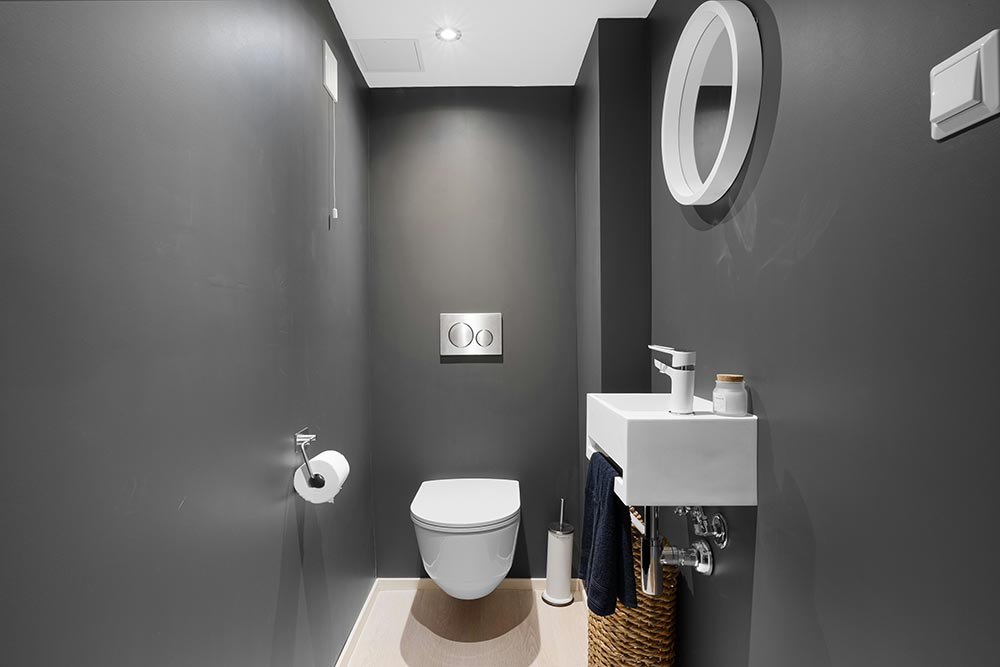
Lighting and ventilation are critical factors in bathroom remodeling during a bathroom remodel. Proper illumination enhances functionality for grooming, cleaning, and safety, while ventilation maintains air quality and prevents moisture buildup. Designers often integrate natural and artificial light sources to balance brightness and ambiance. Placement of exhaust fans and windows ensures adequate airflow throughout the space. Homeowners benefit from environments that feel open, comfortable, and fresh. Thoughtful attention to lighting and ventilation complements fixture placement, storage, and circulation. In bathroom remodeling, these elements support both health and style, creating layouts that are practical, visually appealing, and comfortable for daily use.
Accessibility and Safety
Accessibility and safety are essential considerations in bathroom remodeling for a bathroom remodel. Layouts should accommodate all users, including children, older adults, or individuals with mobility challenges. Designers incorporate wider pathways, non-slip flooring, grab bars, and strategically placed fixtures to improve safety and usability. Homeowners benefit from layouts that reduce hazards while maintaining aesthetic appeal. Accessibility planning ensures comfortable, long-term use and supports diverse lifestyle needs. During bathroom remodeling, integrating safety features does not compromise style; rather, it enhances functionality. Well-designed layouts combine practicality, inclusivity, and elegance, allowing homeowners to enjoy a safe, convenient, and visually balanced bathroom environment.
Zoning and Privacy
Zoning and privacy are key factors in bathroom remodeling for a bathroom remodel, especially in shared or multi-user spaces. Separating wet areas, such as showers or tubs, from dry zones like vanities and toilets improves functionality and comfort. Designers use partitions, half-walls, or strategic fixture placement to enhance privacy without crowding the room. Homeowners benefit from layouts that allow simultaneous use by multiple people while maintaining discretion and flow. Thoughtful zoning supports both daily routines and long-term usability. During bathroom remodeling, balancing privacy, accessibility, and visual openness ensures that the space remains functional, comfortable, and harmonious for all users.
Style and Aesthetic Flow
Style and aesthetic flow are important considerations in bathroom remodeling when planning a bathroom remodel. The arrangement of fixtures, materials, and finishes should create a cohesive, visually appealing space. Designers coordinate vanities, countertops, flooring, and lighting to ensure balance and harmony. Homeowners benefit from layouts that feel intentional and polished, reflecting personal taste while supporting functionality. Proper aesthetic flow enhances spatial perception, making small rooms feel larger and more inviting. In bathroom remodeling, aligning style with layout decisions ensures that every element contributes to a unified, attractive environment, combining practicality, comfort, and design sophistication throughout the space.
Future-Proofing
Future-proofing is an emerging trend in bathroom remodeling for a bathroom remodel, ensuring layouts remain functional over time. Designers anticipate evolving needs by planning flexible spaces, adjustable storage, and adaptable fixtures. Homeowners benefit from layouts that accommodate lifestyle changes, mobility requirements, or updated technology without major alterations. Selecting durable materials and considering long-term usability reduces the need for frequent adjustments. Thoughtful future-proofing in bathroom remodeling creates spaces that remain practical, safe, and visually appealing for years. By integrating foresight into layout planning, homeowners achieve a bathroom remodel that combines efficiency, style, and adaptability, supporting comfort and convenience for the long term.
Maximizing Space
Maximizing space is a central focus in bathroom remodeling for a bathroom remodel, especially in smaller rooms. Designers optimize layouts by using compact fixtures, floating vanities, and clever storage solutions. Homeowners benefit from uncluttered circulation and functional zones that enhance usability. Multi-functional elements, such as combination vanities and integrated shelves, allow for more efficient use of available square footage. Thoughtful planning ensures that even limited space supports daily routines comfortably. During bathroom remodeling, maximizing space balances aesthetics with practicality, creating a bathroom that feels open, organized, and welcoming. Efficient layouts enhance both visual appeal and overall functionality for homeowners.
Frequently Asked Questions
How long does a typical bathroom remodel take?
Most bathroom remodels take between 3 and 6 weeks, depending on the scope of work, contractor scheduling, and material availability. Smaller updates like new fixtures or tile can be finished more quickly, while full remodels that involve plumbing changes or layout adjustments may take longer. Proper planning and working with experienced bathroom remodeling professionals helps keep your project on schedule.
Can I remodel my bathroom without changing the layout?
Absolutely. Many homeowners choose a cosmetic bathroom remodel, updating elements like the vanity, fixtures, tile, flooring, lighting, and paint while keeping the existing layout. This approach is usually faster and more budget-friendly, while still giving the bathroom a fresh, modern look.
How can I plan my bathroom remodel budget effectively?
Start by researching the average costs for bathroom remodels in your area and the materials you’d like to use, then prioritize the upgrades that matter most to you. Working with experienced bathroom remodeling professionals early in the process helps you get accurate estimates, explore design options, and make choices that balance style, functionality, and budget.
What are the most important upgrades to focus on in a bathroom remodel?
The most impactful bathroom upgrades usually include the vanity, shower or bathtub, tile, and lighting. These elements shape both the look and functionality of your bathroom. Prioritizing quality in these areas helps create a beautiful, durable space that fits your daily routine and adds value to your home.

Read More
Top Bathroom Remodeling Trends
Explore the top bathroom remodeling trends for 2026—from spa-inspired designs and smart technology to bold finishes and sustainable materials—showing how modern bathrooms are becoming more stylish, functional, and eco-friendly.
Selecting a Bathroom Vanity
Choosing the right vanity is one of the most important decisions in a bathroom remodel. The style, size, and materials you select influence both the room’s appearance and daily functionality.
Top Bathroom Color Trends
Bathroom colors are playing a bigger role in bathroom remodel projects than ever before. In 2026, homeowners are choosing palettes that balance serenity, depth, and design impact while tying the entire space together.
Selecting Bathroom Tile
Choosing the right bathroom tile is both functional and stylish. It protects walls and floors while enhancing the overall look, mood, and cohesion of your bathroom remodel. Start with both purpose and design in mind.


